
Homesickness Hits Hardest in an Empty Room. So I Sent My Daughter the One Little Thing That Fills Hers With People.
A mom braced for the tearful first-week calls. She could not fix missing home, but she could give her daughter a reason to leave her room and meet the people down the hall. And she is far from the only one.

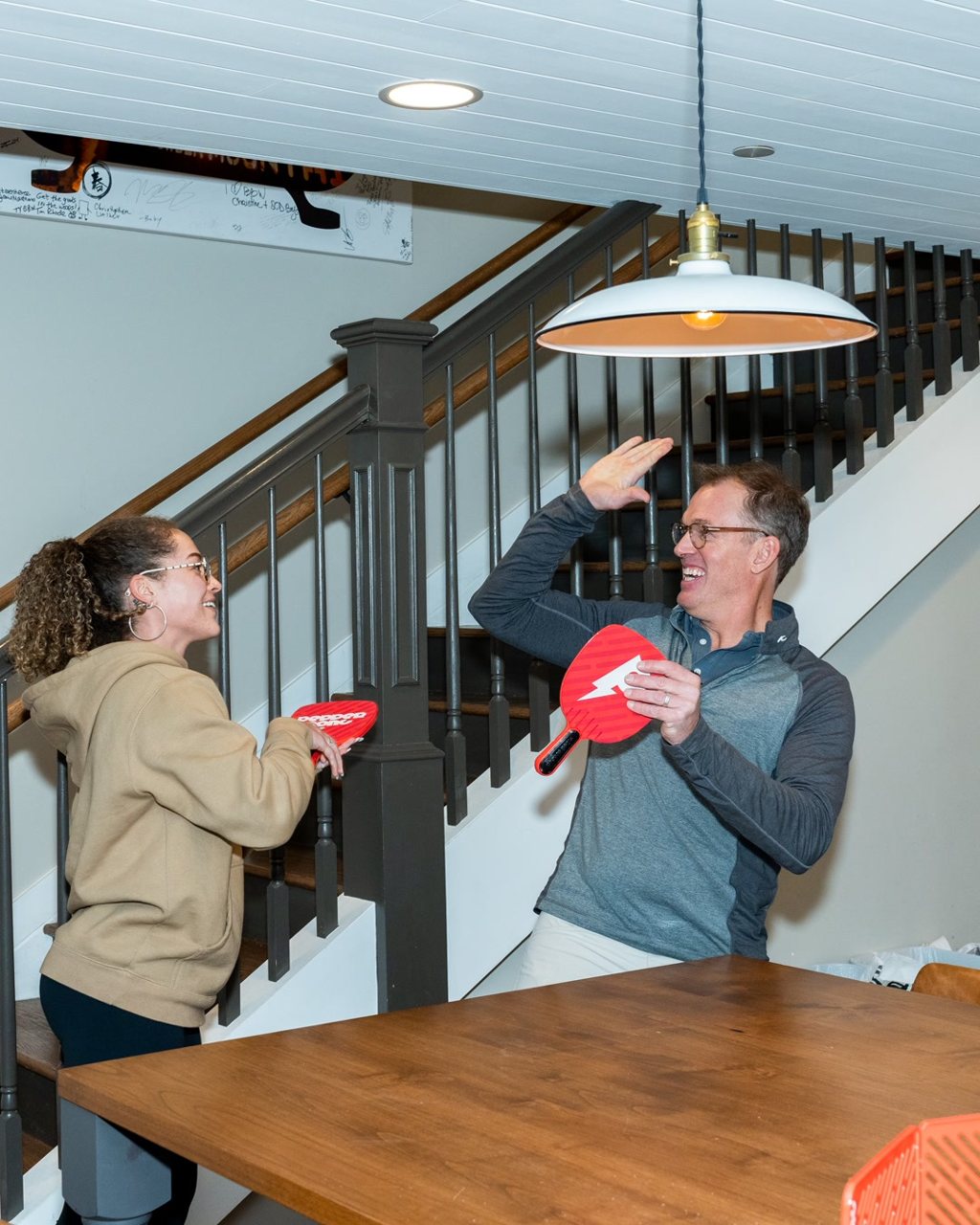
Raleigh, NC. Michelle Hart knew the call was coming. She just did not know how much it would gut her.
It came the second week. Her daughter Ella, four hours away at school, crying on the phone at eleven at night. I hate it here, I want to come home. Michelle sat down on the kitchen floor and cried right along with her, careful to keep her own phone muted.
“Everyone tells you it is normal, that it passes, and none of that helps at all when it is your kid,” Michelle says. “Ella is not shy exactly, but she is not going to go knock on a stranger's door. I kept picturing her alone in that room on a Friday night while the whole floor was out becoming friends.”
She read the same thing on every parent forum: homesickness is loudest in an empty room, and the kids who settle in are the ones who get busy and meet the people around them. But you cannot make a homesick kid throw herself out there. That is the one thing she cannot make herself do.
So Michelle did not send another box of snacks. She sent one small thing, with a note that just said, leave this on your desk and see what happens.
A week later, the eleven o'clock call came again. This time it sounded completely different.
I was so homesick those first couple of weeks. I put this on my desk because my mom told me to, and two girls from down the hall stopped in to try it. Now that is just where everyone hangs out. I still miss home, but I am not sitting in here alone anymore.Ella H., freshman
Michelle is not alone. Parents all over the country are bracing for the same tearful calls, and quietly sending the same little thing to help their kid through the hardest few weeks.
They call it the thing that got their kid out of their room.
“It did not cure her homesickness. Nothing does except time,” says Dana R., whose daughter is a sophomore now. “What it did was give her a reason to open her door on the nights she would have just laid there missing home. By October she barely called. Now I kind of miss the calls.”
Parents Have Been Quietly Talking About This
We found these on r/CollegeParents and r/college. If you have ever muted the phone so your homesick kid would not hear you cry too, all of this will look familiar.
Why This Actually Works When Nothing Else Did
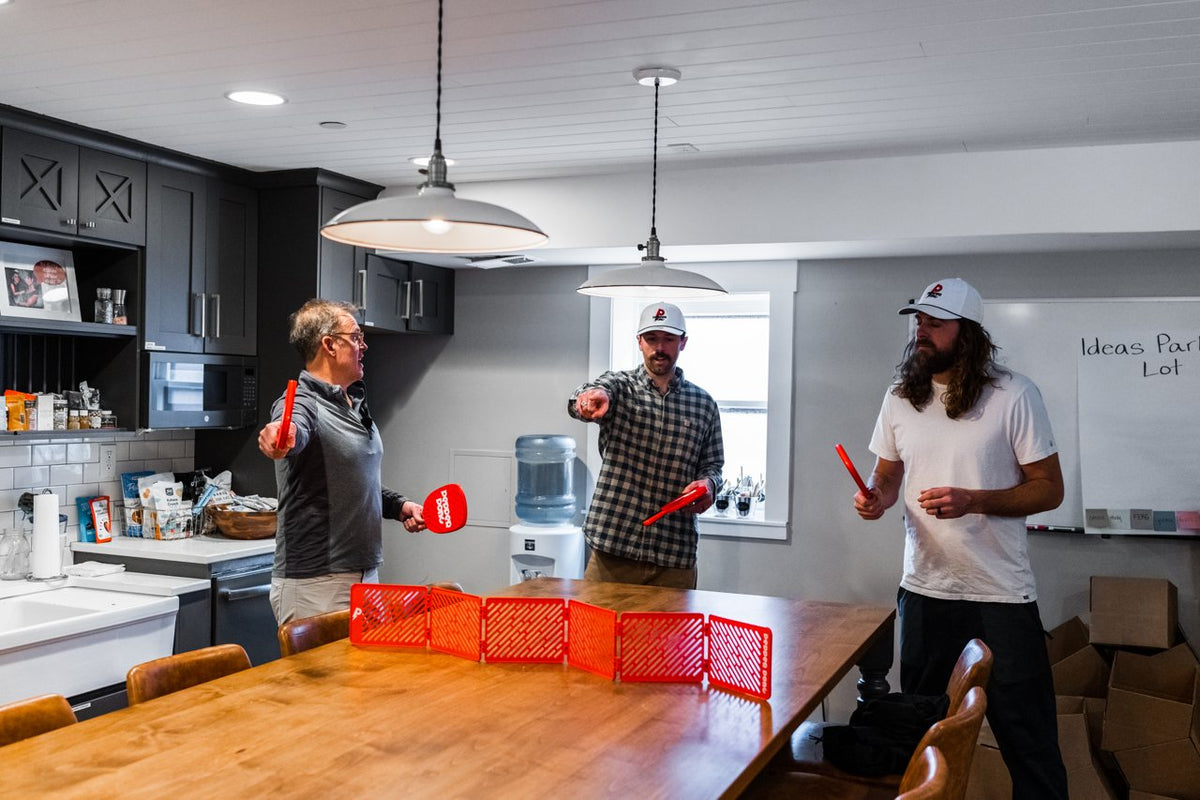
Here is what most parents get wrong about a homesick kid, and it is not their fault.
They try to talk them through it. It gets better. Give it a semester. Just put yourself out there and make some friends. All true, and all impossible for a kid lying in a dark room missing home.
You cannot talk a homesick kid into throwing herself out there. That is the exact thing she cannot make herself do. So you give her something that does it for her.
That is the whole secret. Homesickness is loudest in an empty room, and it gets quieter the moment there are people in it. This does not ask your kid to be brave or outgoing. Somebody sets it on a desk, somebody down the hall wanders in to try it, and a rally turns two strangers into the start of a floor. Your kid just had to leave it out.
No skill, no app, no learning curve. That is exactly why a homesick, nervous freshman will actually use it, and why the people down the hall will actually stop in. It does the introducing so your kid does not have to.
The One Thing That Gets Them Out Of The Room
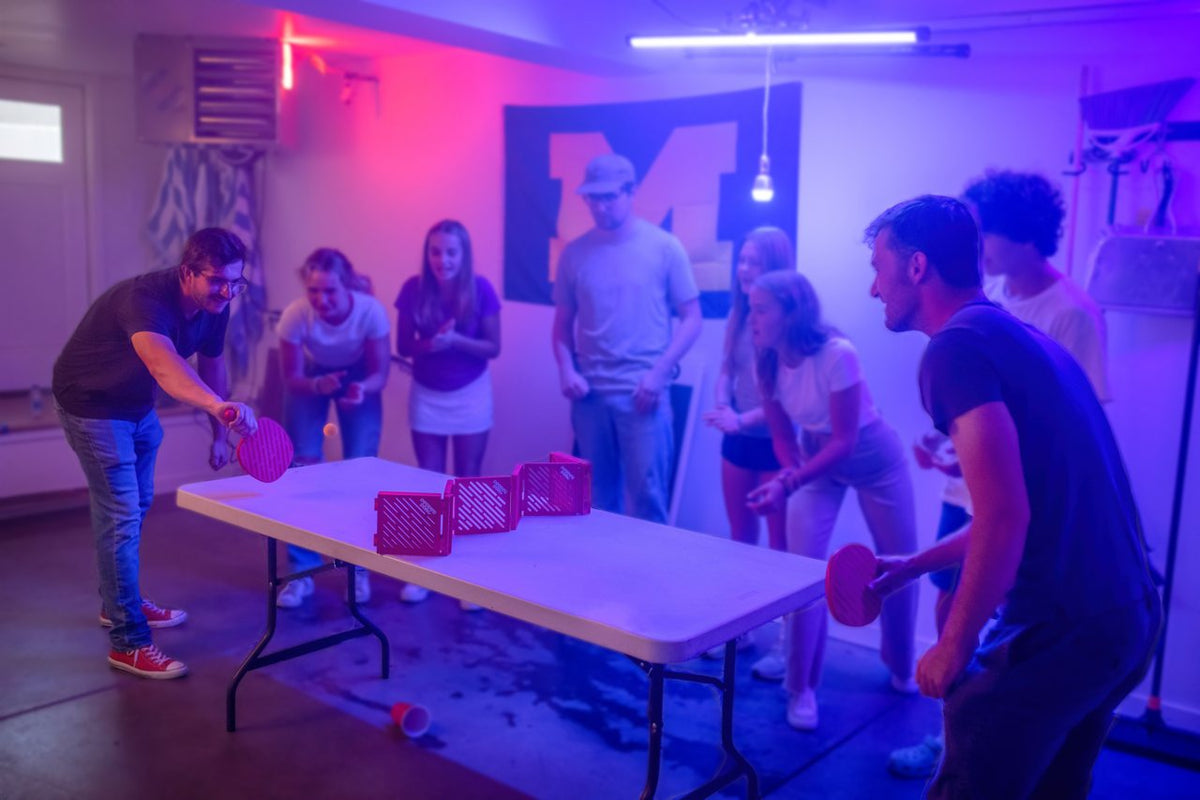
For years, colleges have thrown mixers and floor meetings at homesickness. Most homesick kids skip them. Forced fun you have to be brave to walk into is the last thing a kid crying for home can manage.
This works the opposite way, on purpose.
It does not happen in a crowded room she has to walk into. It happens on her own desk, in her own doorway, on her terms. There is no skill to be embarrassed about, so she does not have to be good, or outgoing, or even okay. She just has to leave it out and let the game do the rest.
Which leads to the part that matters for a homesick kid: she does not have to perform. The game is the one being social. She gets to just be there, in a room that is suddenly full of people, on a night she would have spent alone.
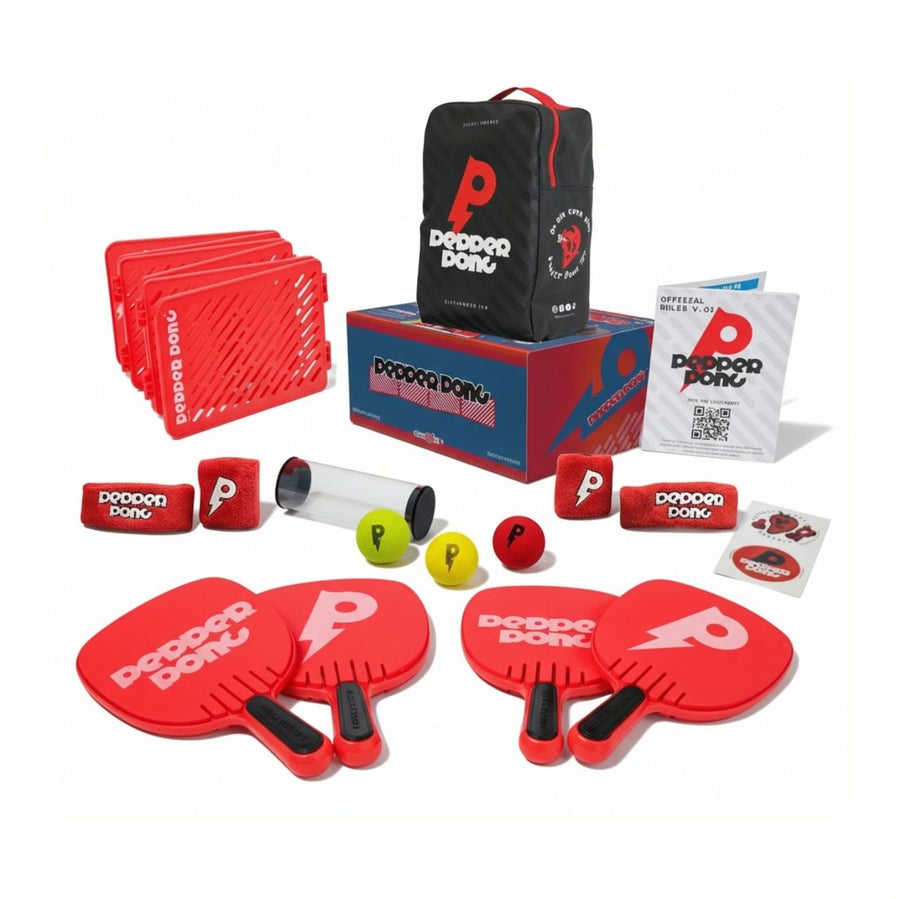
Here is what actually makes it work, and none of it is really about the equipment:
What Parents Keep Reporting
The messages keep coming, and they say the same thing in different words: one little thing on a desk, and a homesick kid alone in her room has a doorway full of people instead.
The Real Reason The First Few Weeks Are So Hard (And It Is Not Your Kid)
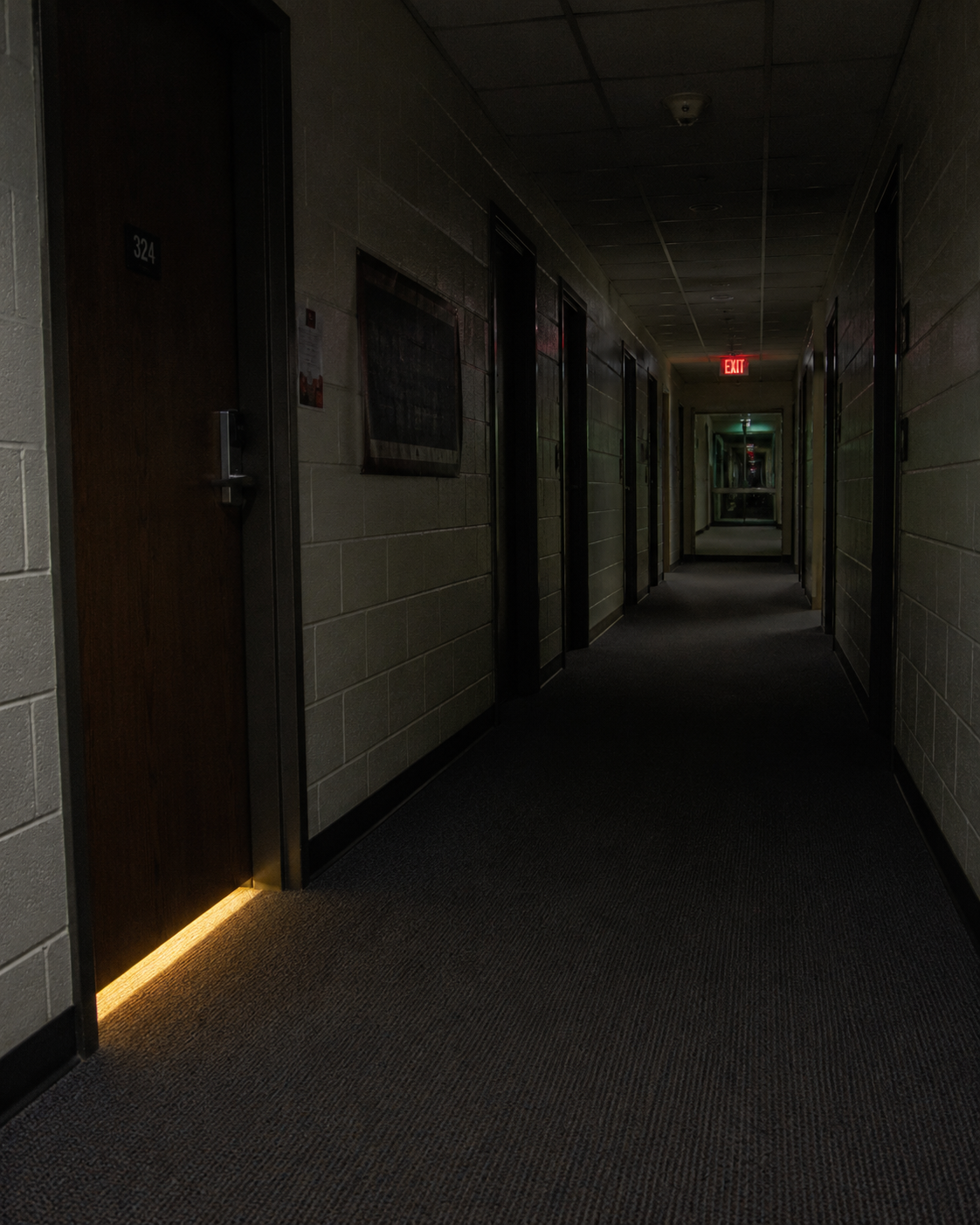
Here is what nobody tells you about the first month of college:
Almost every freshman feels it. Even the outgoing ones.
A whole hall of eighteen year olds, every one of them a little homesick, every one of them sure everyone else is fine. So they all stay behind their doors, phones in hand, waiting for someone else to make the first move. And a floor that could be friends stays a floor of strangers, each one lonely in their own room.
It is not that your kid is weak, or not cut out for it. It is that missing home is loudest when you are alone, and the easiest thing to do when you miss home is stay in and miss it more. Almost nobody knocks first.
But here is the good news: they are all hoping someone will. Every kid on that hall wants exactly what your kid wants, a reason to open the door. Give them one, and they take it.
That is where this little thing comes in.
Why This Works When “It Gets Better” Did Not
Every parent says the same true, useless things: it gets better, give it a semester, get involved. And every parent sends the same care package of snacks and a gift card.
The snacks are gone in a week. The gift card buys a dinner she eats alone.
None of it does the one thing a homesick kid actually needs, which is a reason not to be alone tonight. A gift card cannot sit on a dorm floor and start a conversation. This can.
It does not ask your kid to fix her own homesickness. It just gives her something to do on the hard nights, with people, instead of by herself. That is the whole difference between a care package and this.
The Quiet Cost Of A Freshman Who Spends The First Weeks Alone
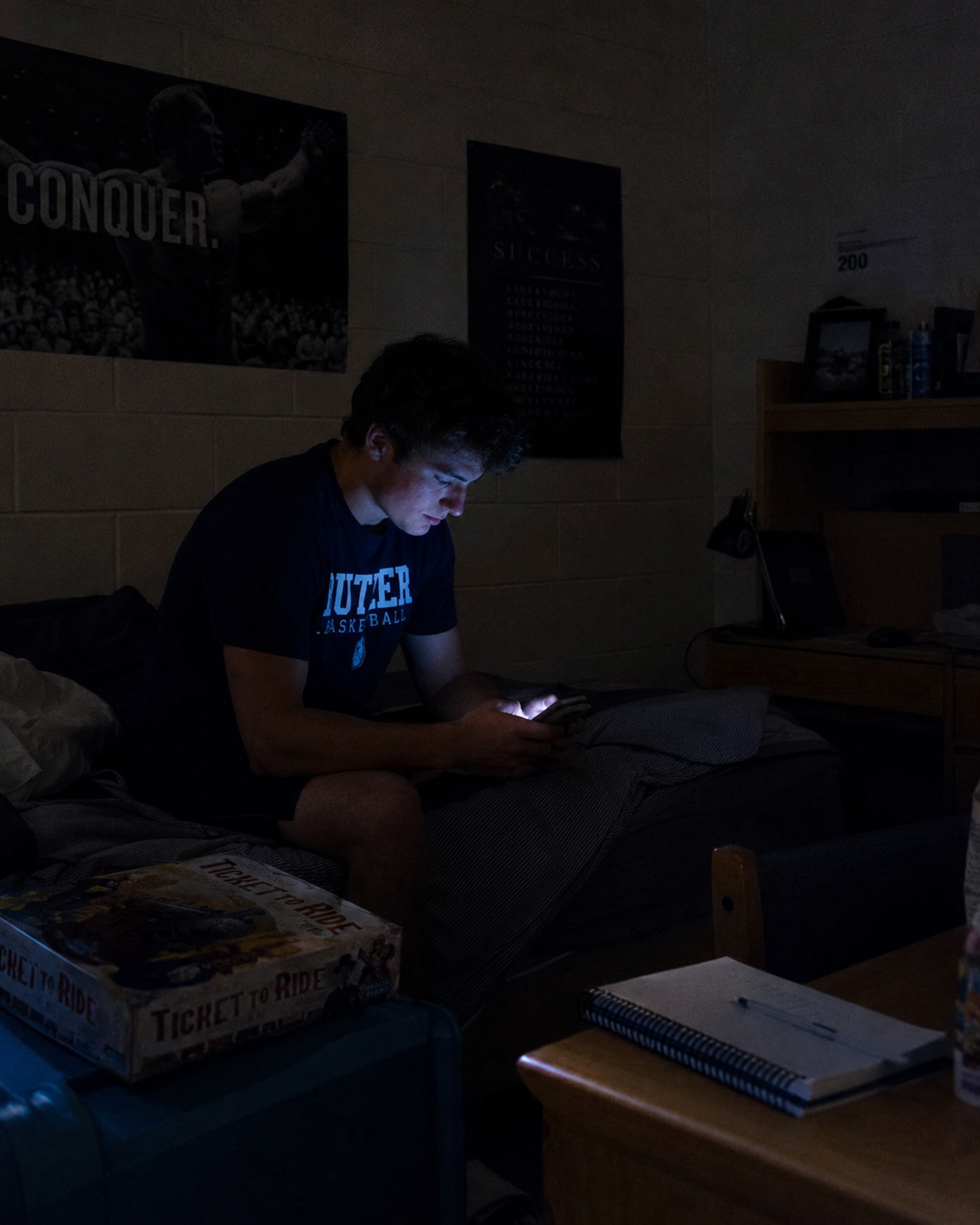
Let us be honest about what those first lonely weeks can really cost.
What would it be worth to make those first weeks a little less lonely? For most parents, a homesick kid laughing on a Friday night instead of crying is worth more than anything else in the dorm haul.
It costs less than a month of the late-night comfort-food orders a lonely kid racks up. And unlike the snacks, it is still working in November, and the November after that.
What Other Parents Say
The Two Kinds Of Parents Reading This
The Skeptic
You are thinking a little game cannot fix homesickness, and you are right, nothing can except time and people. You have sent “the thing that will help” before and watched it sit in a closet. Fair. Stay skeptical. That is 60 days of nothing to lose, and one less lonely Friday night to gain.
The Ready
You have already gotten the eleven o'clock call, or you are bracing for it. You know your kid does not need a lecture, she needs a reason to open the door. You do not need convincing, you need it in the car before move-in. Pack it, tell her to leave it out, and wait for the night the call sounds different.
What Happens If You Do Nothing?
The first few weeks come either way.
The calls come, the missing comes, the long Friday nights come. The only question is whether she spends them alone in her room, or in a doorway full of new people who wandered in to play.
Maybe she walks down the hall and introduces herself. Some kids can. Or maybe she stays in, and the phone comes out, and the weeks crawl by, and the homesickness has all the quiet room it needs to grow.
Or you leave one little thing on her desk, two girls knock to try it, and that is the night it starts getting better.
We could show you a thousand of these stories. But the only one that matters is the eleven o'clock call that finally sounds like her old self again.
Pack it before you go. See what happens.
Pepper Pong. A family passion project, not a profit grab. Founded by Tom Filippini after his recovery journey and built to expand real human connection in a world drifting toward screens. Every set supports Rally for Recovery. Individual experiences vary. Advertorial.